
Cost Efficiency That Scales with Your Business
One of the most compelling advantages of flexible office spaces is their ability to align operational costs directly with your business needs. Traditional office leases often lock companies into long-term financial commitments, requiring payment for unused space during slower periods or forcing costly relocations during growth phases. Flexible office solutions eliminate this challenge by offering scalable pricing models that adapt to your current requirements.
With flexible office spaces, you only pay for what you use. Whether you need a small office for a growing start-up or multiple private offices for an expanding team, you can adjust your footprint month-to-month. This approach eliminates the substantial upfront costs associated with traditional leases, including security deposits, furniture purchases, and infrastructure investments. Instead, these expenses are distributed across your membership, making budgeting more predictable and manageable.
The financial benefits extend beyond rent alone. Flexible workspaces typically include utilities, internet, cleaning services, and maintenance in their pricing structure. This all-inclusive model removes the administrative burden of managing multiple vendors and prevents unexpected expenses from disrupting your budget. For businesses navigating uncertain economic conditions or seasonal fluctuations, this cost predictability provides invaluable peace of mind and financial stability.
Enhanced Work-Life Balance for Your Team
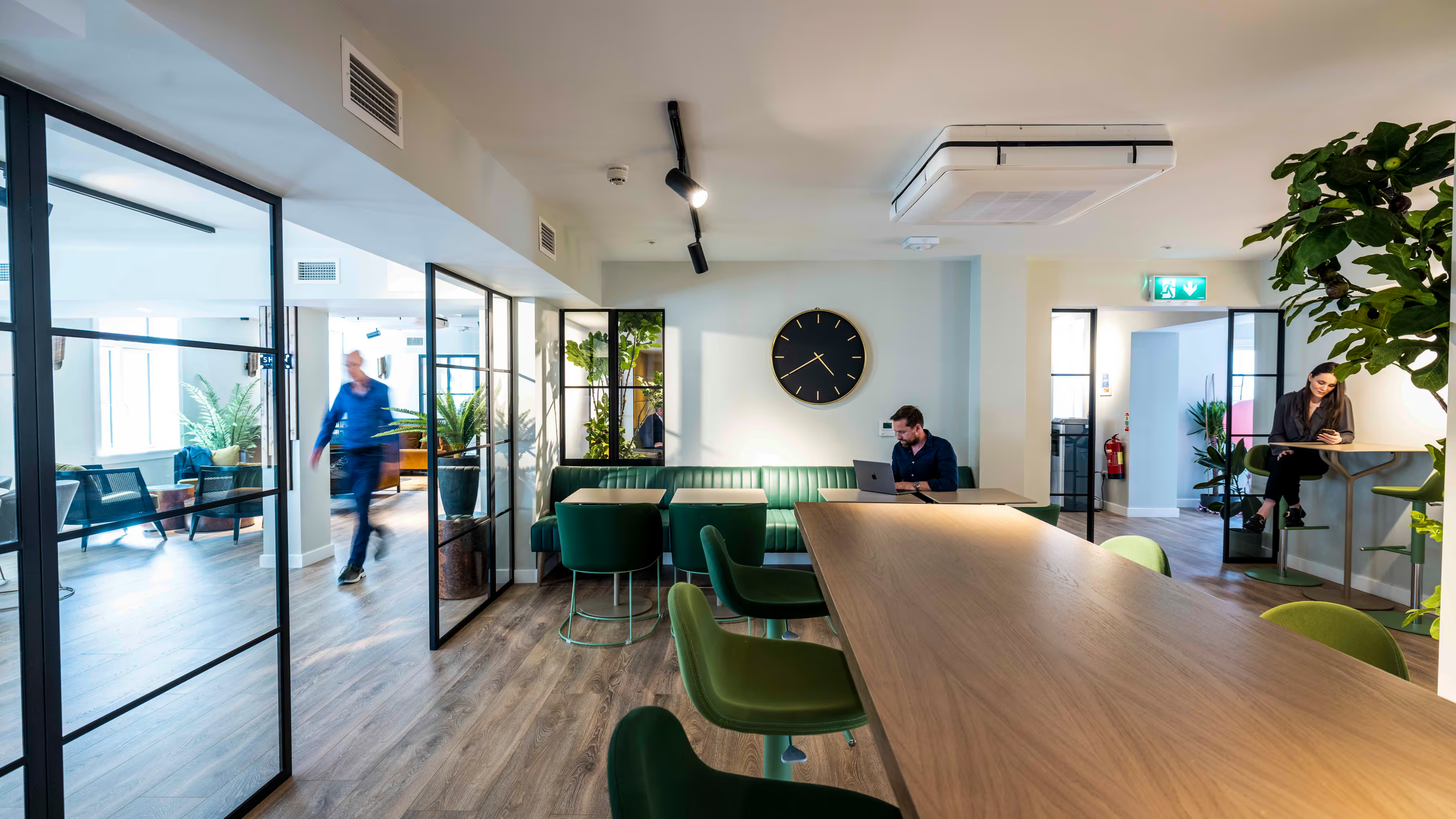
Flexible office spaces are revolutionising how employees experience their workday by offering greater control over when and where they work. The variety of workspace options within flexible offices also supports different working styles and needs throughout the day. Employees can transition between private focus rooms for concentrated work, collaborative areas for team projects, and comfortable lounge spaces for informal meetings or creative thinking. This environmental diversity helps prevent monotony and allows individuals to select settings that optimise their productivity and comfort.
By empowering your team with workspace flexibility, you demonstrate trust and respect for their professional judgement. The autonomy often leads to increased job satisfaction, improved morale, and stronger employee retention. When people feel supported in balancing their professional responsibilities with personal well-being, they bring greater energy, creativity, and commitment to their work. In today's competitive talent market, offering flexible workspace options has become a meaningful differentiation that attracts and retains top performers.
Access to Premium Amenities Without Long-Term Commitments
Flexible office spaces provide immediate access to professional-grade amenities that would typically require significant capital investment. Modern flexible workspaces feature state-of-the-art technology infrastructure, including high-speed internet, advanced video conferencing systems, and secure facilities. These technology offerings ensure your team can work effectively from day one without the delays and expenses associated with installing and maintaining equipment.
Beyond technology, flexible offices often include thoughtfully designed amenities that enhance daily work life. Professional reception services create positive first impressions for clients and guests, while fully equipped meeting rooms provide polished environments for presentations and discussions.
The flexibility to access these premium features without long-term contracts means you can present a professional image and provide exceptional employee experience regardless of your company's size or stage. As your needs evolve, you can easily upgrade to different amenity packages or relocate to spaces with different offerings. This agility ensures your workspace capabilities always align with your current business priorities without the burden of stranded assets or sunk costs.
Fostering Collaboration and Networking Opportunities
Flexible office environments naturally cultivate connections between professionals from diverse industries and backgrounds. Unlike isolated traditional offices, these shared spaces create organic opportunities for spontaneous conversations, knowledge exchange, and relationship building. The communal areas (coffee stations, shared lounges, and event spaces, etc.) become catalysts for meaningful interactions that can spark innovation, partnerships, and new business opportunities.
Many flexible workspace providers actively facilitate networking through organised events, workshops, and community programs. These structured opportunities help members expand their professional networks, gain insights from peers facing similar challenges, and discover potential collaborators or clients. For entrepreneurs and small business owners especially, this built-in community provides access to support systems that can accelerate growth and provide valuable guidance during critical business decisions.
The collaborative atmosphere in flexible offices also benefits from internal team dynamics. The energy and activity of a vibrant workspace can inspire creativity and motivation in ways that isolated traditional offices cannot. Team members are exposed to different perspectives and approaches simply by being part of a dynamic community. This environmental stimulation often leads to fresh thinking and innovative problem-solving, ultimately strengthening your company's competitive position and adaptability.
Future-Proofing Your Workspace Strategy
The rapid pace of change in today's business environment demands workspace solutions that can adapt quickly to emerging needs and opportunities. Flexible office spaces provide the agility required to respond to market shifts, technological advances, and evolving work preferences without being constrained by rigid lease agreements. Whether you need to expand into new markets, accommodate hybrid work models, or downsize, flexible workspaces enable swift adjustments that keep your operations aligned with strategic goals.
This adaptability extends to embracing new work models and employee expectations. As hybrid and remote work arrangements become increasingly standard, flexible office spaces support seamless transitions between different working patterns. Your team can maintain access to professional workspace when needed while enjoying the autonomy to work remotely when appropriate. This balanced approach helps organisations attract talent who value flexibility while maintaining the collaborative benefits of shared physical spaces.
By adopting flexible office solutions, you're investing in resilience rather than rigidity. Economic uncertainty, technological disruption, and changing workforce demographics will continue to reshape how we work. Flexible workspaces provide the structural foundation to navigate these changes confidently, allowing you to focus resources on core business objectives rather than managing real estate challenges. This strategic approach positions your organisation to thrive regardless of what the future holds, ensuring your workspace strategy supports rather than constrains your long-term success.